How Seasonal Flower Markets Support Rural Spain
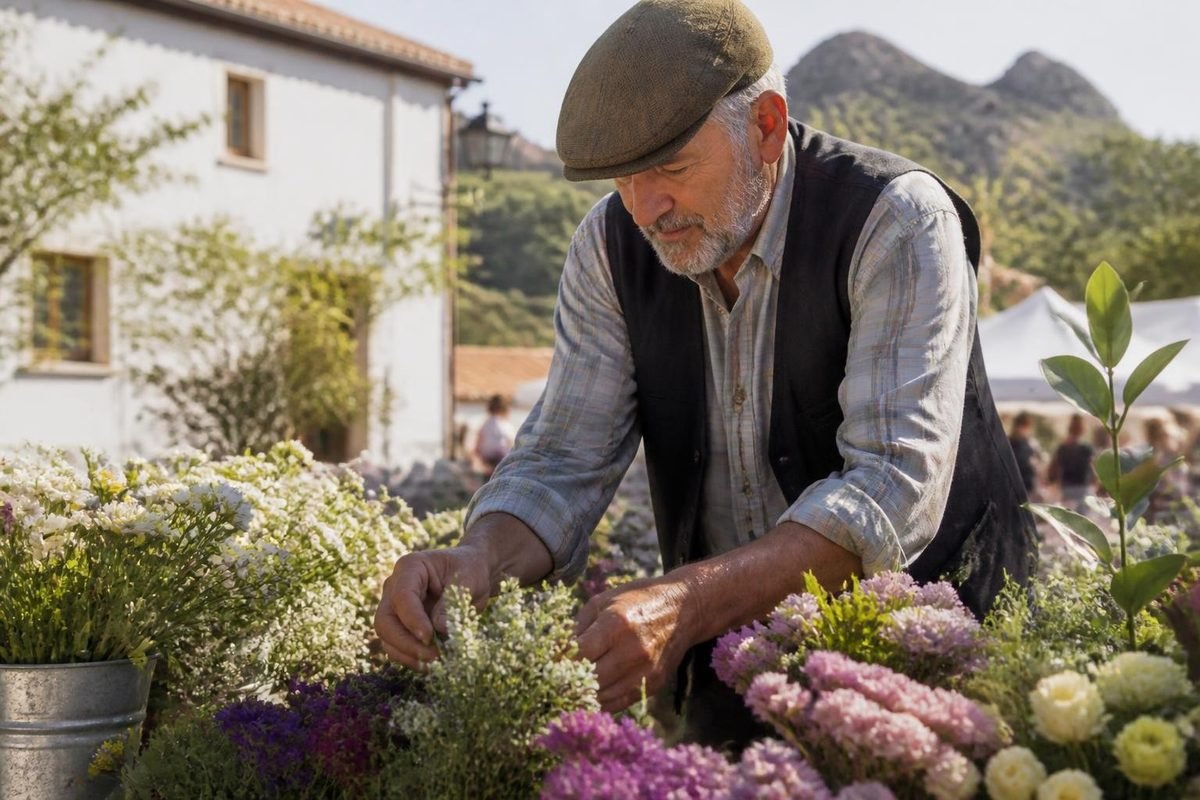
Seasonal flower markets can support rural communities in Spain by giving growers a place to sell flowers and plants directly to customers. They can also bring trade to other local businesses and help growers maintain relationships with buyers.
Sales for local growers
A market gives a grower a way to sell flowers close to where they are produced. Direct sales let the grower speak with customers, explain how to care for a plant, and learn which flowers people want. For a small producer, that contact can be useful when planning what to grow next.
Flower sales often follow the growing season and local celebrations. Demand may rise around festivals, religious observances, and visits to cemeteries. Growers who can supply flowers at those times may have another outlet for their harvest, though sales and earnings will vary from market to market.
Markets can also help growers sell more than one kind of product. A stall might offer cut flowers, flowering plants, or seedlings, depending on what the producer grows and what local rules allow.
Work beyond the flower stall
Growing and selling flowers involves more than tending plants. Depending on the size of an operation, producers may need help with cutting, sorting, packing, transport, and setting up a stall. Some of that work may be seasonal, following both the harvest and the dates of local markets.
Markets can also create opportunities for nearby businesses. Their effects depend on how many people attend, where visitors spend their money, and how much suppliers source locally. Possible beneficiaries include:
- Transport providers moving flowers and plants to market.
- Suppliers of pots, packaging, and growing materials.
- Local cafés and food sellers serving market visitors.
- Florists buying flowers for arrangements and events.
These connections do not guarantee that money stays in one village. They do show how flower sales can form part of a wider local economy.
Connections and local traditions
A market brings growers and customers into the same place. Regular conversations can help a producer build a customer base and understand demand for particular flowers or plants. Buyers, in turn, can ask where flowers were grown and get advice on keeping them in good condition.
Flowers also have a place in many local celebrations and religious observances in Spain. Markets held near those occasions can make flowers available to residents and give growers a chance to meet seasonal demand. The customs and flowers involved differ between communities.
The benefit is not automatic. Weather, transport costs, competition, and the short life of cut flowers can all affect a grower’s results. A market is one possible sales channel, not a guarantee of income.
Questions about seasonal flower markets
Do all flowers sold at a rural market come from nearby farms?
No. Sellers may offer locally grown flowers, flowers brought from elsewhere, or a mixture. Ask the seller if the origin matters to you.
How can a visitor support local growers?
Ask who grew the flowers and buy from a local producer when possible. Buying plants suited to the season can also help you make a choice based on what is available locally.
Have a look at caring for graves in Poland from abroad